

US Intervention in Venezuela is a significant military action executed by US forces on January 3, 2026, resulting in the capture of Venezuelan President Nicolás Maduro and his wife in Caracas. This operation, described as a targeted strike against narco-terrorism, has sparked widespread international debate and positioned the US to temporarily oversee Venezuelan governance and oil resources. Maduro faces charges in New York, including drug trafficking and terrorism, marking a dramatic escalation in US-Venezuela relations amid ongoing tensions over Maduro’s regime.
| Key Facts | Details |
|---|---|
| Event | US military raid and capture of Nicolás Maduro |
| Date | January 3, 2026 |
| Location | Caracas, Venezuela |
| Key Figures | Nicolás Maduro (captured Venezuelan President), Donald Trump (US President), Delcy Rodríguez (interim Venezuelan President) |
| Charges Against Maduro | Narco-terrorism, drug trafficking conspiracy |
| US Involvement | Over 150 military aircraft used; temporary control of Venezuela announced |
| Immediate Aftermath | Maduro transported to New York; protests in Caracas |
The Military Operation
US forces conducted a swift raid in Caracas early on January 3, 2026, capturing Maduro and his wife without reported casualties among civilians. The operation involved stealth fighters and bombers, highlighting advanced military tactics. Maduro was quickly flown to New York, where he arrived at a Drug Enforcement Administration facility and is scheduled for a court appearance on January 5. Venezuela’s Supreme Court promptly named Vice President Delcy Rodríguez as interim president.
This action stems from long-standing US indictments against Maduro for allegedly leading a drug cartel that flooded the US with cocaine.
Trump’s Press Conference And Plans
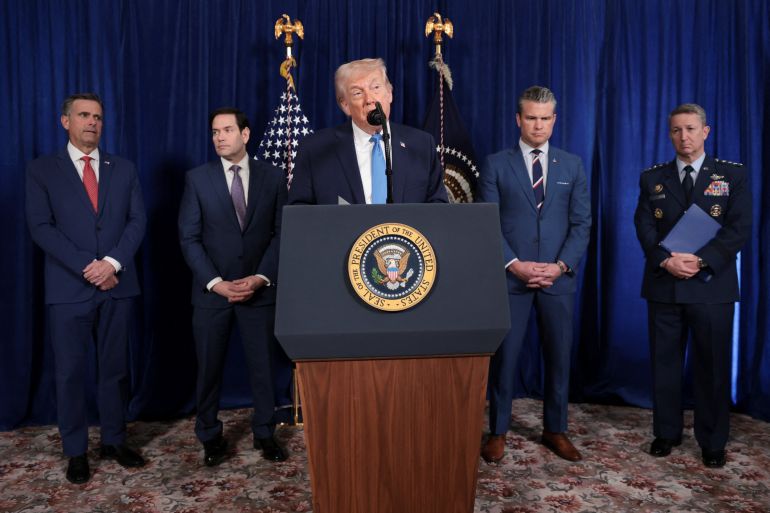
In a January 3 press conference, President Trump stated the US would “run” Venezuela temporarily to stabilize the country and sell its seized oil to other nations. He described Rodríguez as cooperative and emphasized the move as necessary for US interests.
Trump also mentioned a planned second wave of military actions, though details remain unconfirmed.
International And Domestic Reactions
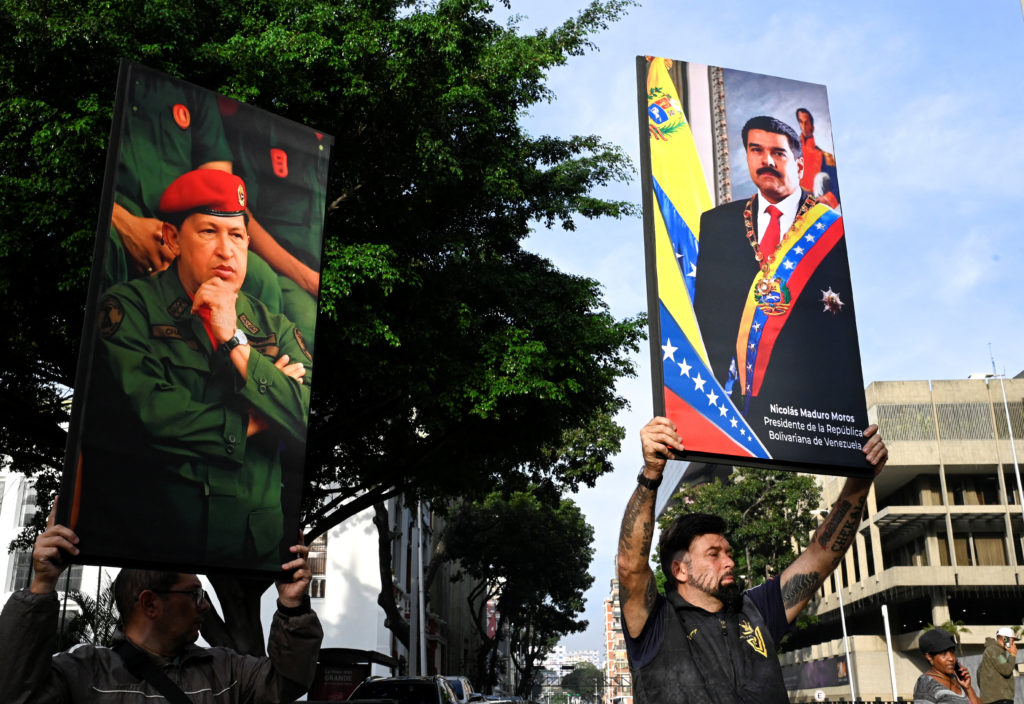
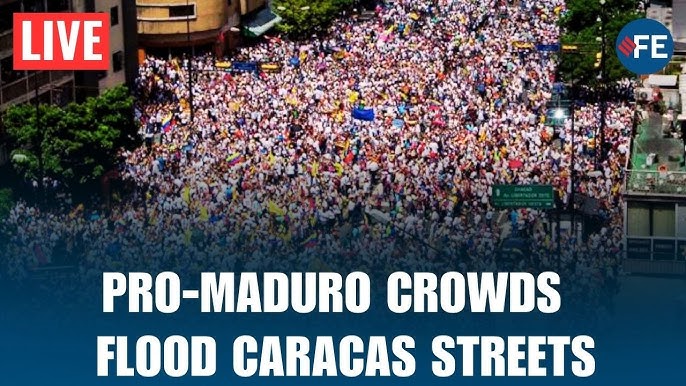
Protests erupted in Caracas following the capture, with Maduro supporters taking to the streets amid reports of explosions in the capital.
Globally, reactions vary: China condemned the US actions, while some Latin American leaders expressed concern over sovereignty.
In the US, Republicans like Senator Tom Cotton and Representative Jim Jordan defended the operation as aligned with American interests. Democrats have criticized it as “insane” and potentially imperialistic, with calls for congressional oversight.
Secretary of State Marco Rubio clarified that this is not a war against Venezuela but a targeted action against Maduro’s regime.
Potential Implications
Analysts compare this to the 1989 Panama invasion but highlight Venezuela’s larger scale and oil wealth as key differences. The US aims to restore stability, but risks include heightened tensions with allies like Russia and Iran.
No confirmed reports of broader military escalations exist as of January 4, 2026.
Also Read: Palm Springs Film Festival 2026: Stars Shine On Red Carpet.
Frequently Asked Questions
When Did The US Capture Nicolás Maduro?
The capture occurred early on January 3, 2026, during a military raid in Caracas.
What Charges Does Maduro Face?
He faces US charges of narco-terrorism and drug trafficking conspiracy.
Who Is Now Leading Venezuela?
Vice President Delcy Rodríguez was sworn in as interim president by Venezuela’s Supreme Court.
What Did Trump Say About Running Venezuela?
Trump announced the US would temporarily manage the country and sell its oil to stabilize it.
How Have Other Countries Reacted?
Reactions include condemnation from China and concern from the African Union, India, and others over sovereignty issues.
Is This Similar To Past US Interventions?
It draws parallels to the 1989 Panama operation but differs in context and scale.

